
Why Use a Sheep Tractor?
Increased Production -- In Less Space -- With Less Work
Regenerative, High-Density, Rotational grazing with sheep tractors involves using mobile, fenced enclosures to intensively graze small areas for short durations, moving them daily to mimic natural herd movements. This method boosts soil health through concentrated, even fertilization (manure/urine) and trampling, while preventing overgrazing, controlling weeds, and managing parasite loads.
Key Principles and Benefits
- Intense – High-Density Grazing: Sheep are packed at high densities to ensure all vegetation is grazed or trampled, breaking up surface crusts and creating a protective mulch layer that increases soil moisture and carbon. Sheep are forced to eat weeds, reducing their ability to reseed themselves.
- Mobility & Timing: Sheep Tractors should be moved once or twice daily to keep sheep on fresh forage.
- Rest Periods: The key to regeneration is giving pasture a 30 to 45-day rest period before re-grazing, allowing for deep root development and photosynthesis, which boosts pasture productivity.
- Soil Fertility: This system avoids chemical fertilizers by relying on animal impact to cycle nutrients.
- Parasite Management: Frequent movement helps keep sheep ahead of parasite larvae cycles.
Electric Fenced Paddocks vs. Sheep Tractor
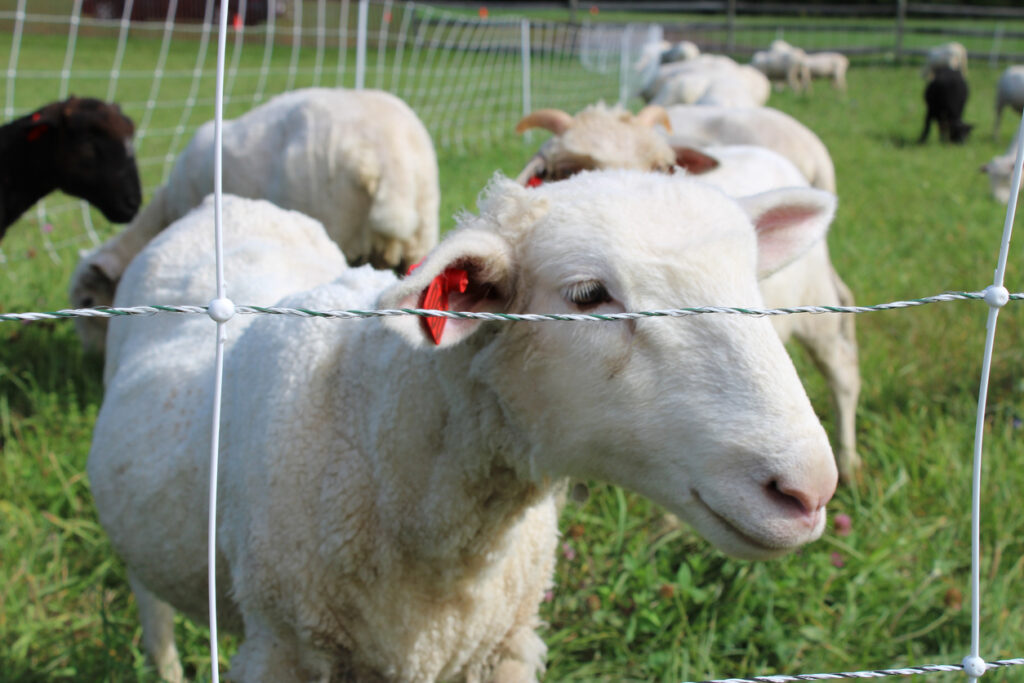
Electric Fenced Paddocks work great for creating smaller paddocks for Rotational Grazing. This method, however, requires a significant amount of time and work, moving fences and herding sheep into the new paddocks. Realistically, it is not practical for a small number of sheep.
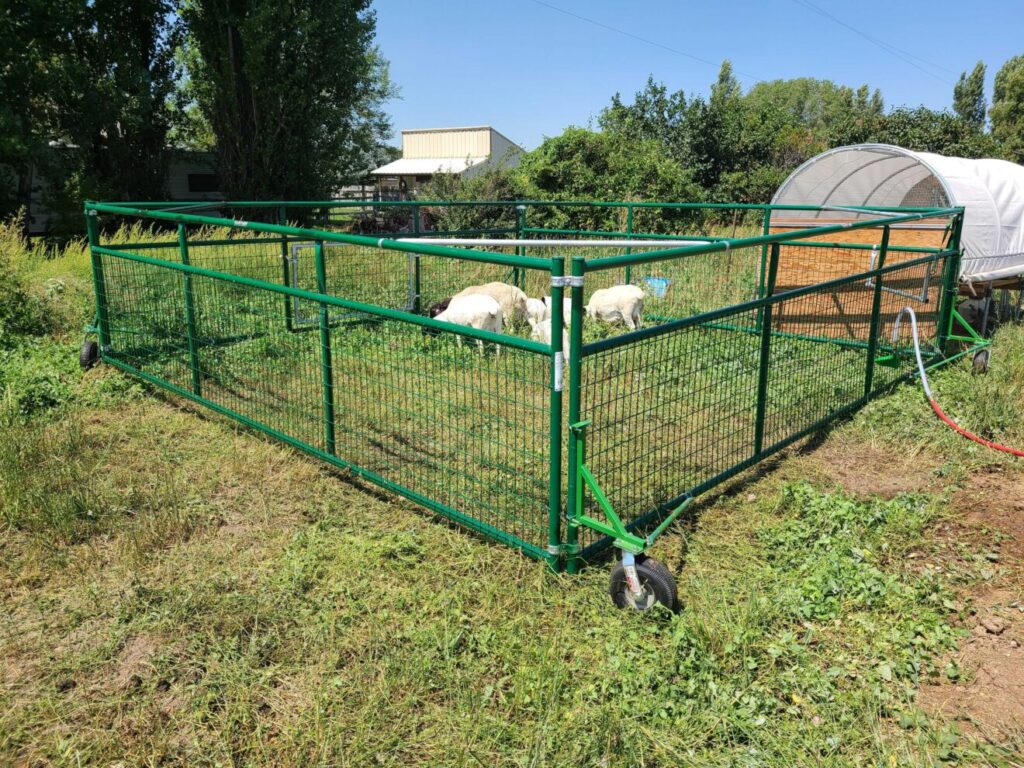
Sheep Tractors are a much more practical solution for a homestead with a small number of sheep. A 16 x 16-foot tractor can hold 4 to 8 sheep and can be easily moved in minutes. The number of sheep that can be managed in a sheep tractor, of course, depends on the amount of forage needed by the sheep, the quality of the pasture, and how often the sheep tractor is moved.
Management Tips
- Leave some forage behind to allow for rapid recovery.
- Move lambs when they have grazed enough to stimulate growth, typically allowing a 30 to 45-day rest period.
- Incorporate flexible rest periods based on seasonal growth rates.
- It is critical to monitor for weeds that are becoming unpalatable and adjust grazing times to ensure all plants are consumed or trampled.
- Diverse pastures encourage better nutrition for the sheep and support healthier, more resilient soil.
Regenerative grazing with sheep is ideal for fixing degraded land, converting neglected areas into fertile pastures, and accelerating ecological recovery.